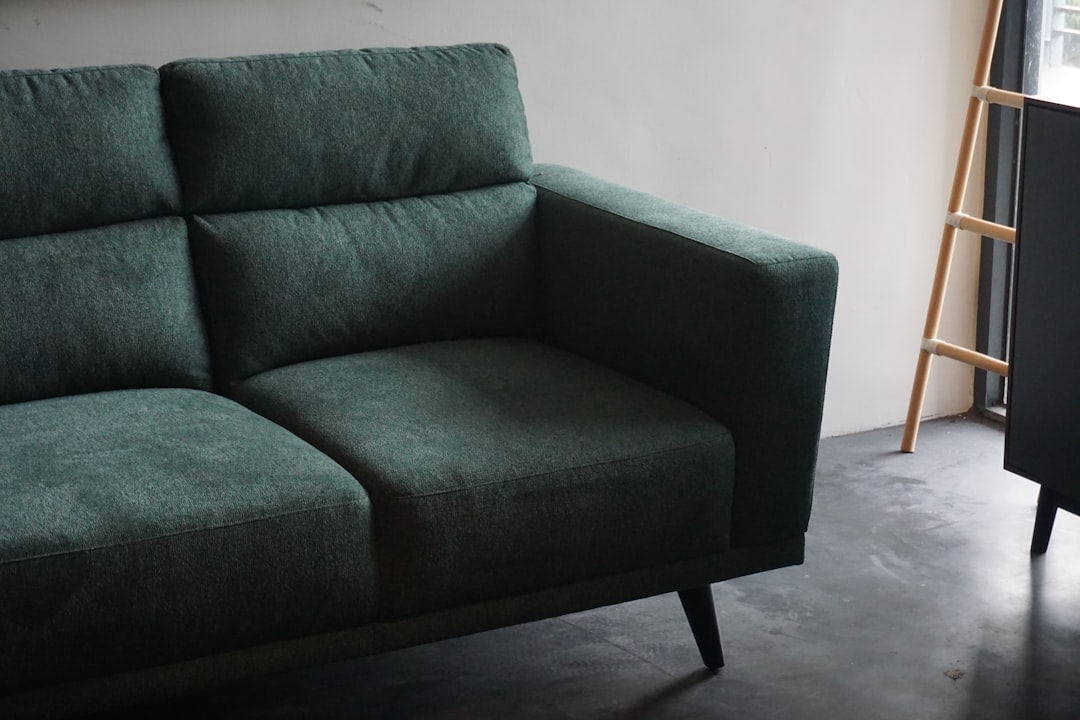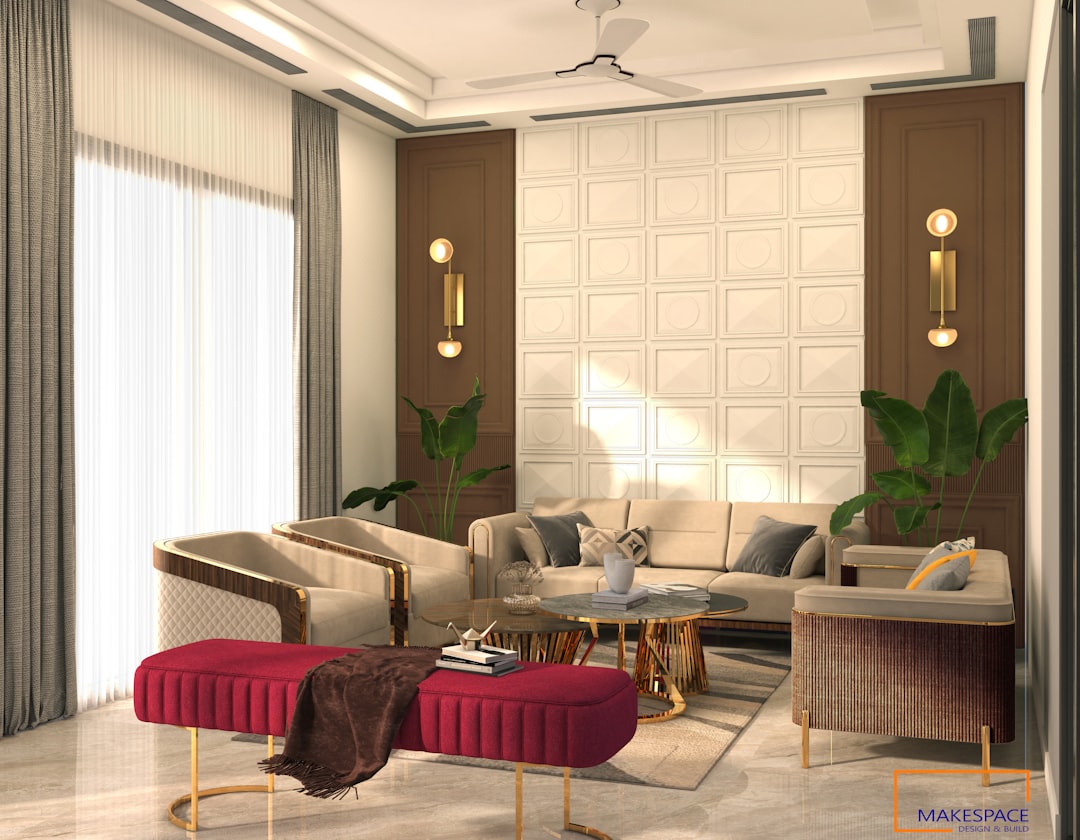
A sofa’s seat depth isn’t just a number on a spec sheet—it’s the whole experience of lounging on Sunday mornings or curling up after work. Online listings might show a perfectly proportioned piece, but that 55cm depth you see can feel entirely different when you’re actually sitting in your 4-room BTO living room. Too shallow, and you’re perched upright without any real support; too deep, and you’ll struggle to sit comfortably without a pile of extra cushions, or find your feet dangling awkwardly off the edge.
That’s why a trip to a physical showroom isn’t optional for something you’ll use every day. You need to plant yourself on the actual sofa, lean back, and see how your body fits. Does the depth allow you to sink in comfortably, or does it force you to sit at the very front edge? For family lounging, a deeper seat—often around 60cm or more—lets everyone sprawl comfortably. But in a compact flat, a seat that’s too generous can overwhelm the space and make the room feel crowded.
There’s a counterintuitive point here many buyers overlook: your sitting posture changes the measurement. If you tend to sit upright with feet flat on the floor, a standard depth might work. But if you’re a lounger who likes to lean back with legs extended, you’ll need that extra room behind your knees. You won’t know which category you fall into until you’ve spent ten minutes on a sofa in a showroom, testing both positions.
The exception? If you’re buying a strictly decorative piece for a seldom-used corner, or a compact accent chair where posture isn’t the priority, then photos might suffice. For any primary living room sofa, though, skipping the physical test is a gamble you’ll regret every time you sit down. That final comfort check in a showroom—whether at a multi-brand retailer in Sungei Kadut or a warehouse outlet in Defu Lane—is the one step that ensures your sofa fits your home and your habits.
How retailers handle sofa warranty claims in Singapore: A guide